

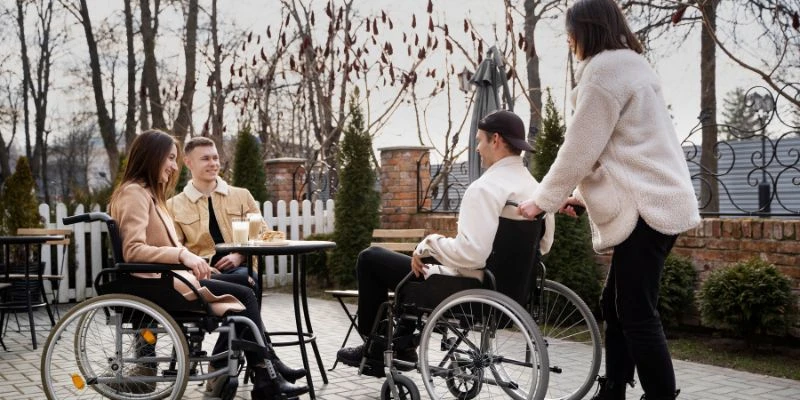
Why Individual Interests Matter in Community Participation Programs
Community participation is more meaningful when it reflects a person’s genuine interests. For NDIS participants, relevant community support programs in Adelaide create opportunities to build friendships, explore hobbies and develop essential skills. Having a say in choices ensures support for them reflects what they enjoy and want to achieve.
Why Individual Interests Matter in Community Participation
Personal interests influence motivation and the willingness to participate regularly. Activities connected to existing hobbies give individuals a clear reason to form friendships and explore their local community. Shared interests create natural opportunities for conversation, helping them build relationships through common experiences.
Similarly, the National Disability Insurance Agency identifies social and recreational activities, building friendships and developing independent living skills as examples of NDIS participant goals.
An interest-led approach also respects individual choice. Participants should be able to express their likes and dislikes, choose activities that suit them, and change direction as their interests evolve. Trustworthy support agencies therefore reflect these decisions rather than assuming everyone benefits from the same group activities.
How Support Workers Turn Interests into Meaningful Activities
NDIS support workers play a big role in translating personal preferences into opportunities for participation. This involves:
1. Discussing the participant’s interests and goals
2. Identifying preferred activities
3. Planning the support needed for participation
Nashcare’s community participation approach includes helping participants choose activities and then preparing for outings and travel. This assistance addresses specific barriers to participation. For example, travel planning helps participants get to activities, while guidance on community facilities makes it easy to navigate unfamiliar settings. Support workers also encourage participants to take responsibility for planning and communication as their confidence develops.
Activities can be individual or group-based, depending on the participant’s preferences and support needs. These may include gardening, book clubs, art and crafts, music groups, or other pastimes. Community involvement programs can also take place in mainstream settings rather than being restricted to disability-specific groups. Whatever the approach, focus always stays on meaningful engagement.
Connecting Activities with Everyday Skills
Community activities can provide opportunities to practise skills in real settings. Group activities involve communicating with others and following shared arrangements. Navigating community facilities builds familiarity with public environments. Planning outings, on the other hand, encourages better decision-making.
Support workers reinforce these skills during participation without taking over tasks the participant can often manage. Assistance accordingly reflects the person’s communication preferences and mobility requirements.
The NDIS Practice Standards emphasise individual rights, choice and control. These principles reinforce the importance of involving participants in decisions about their supports and respecting their preferences throughout the process.
Making Community Participation Accessible in Adelaide
Access depends on more than finding an activity that matches someone’s interests. Transport arrangements, venue accessibility and the need for assistance in unfamiliar surroundings can affect participation. Support workers should consider these factors during planning and adjust support accordingly.
South Australia’s State Disability Inclusion Plan 2025-2029 identifies inclusive environments and active participation as priorities. Its emphasis on removing accessibility barriers reinforces the need to consider transport, facilities and communication when planning community activities.
Community participation should open doors to experiences that participants find worthwhile, not just fill their schedules. Well-planned community involvement programs in Adelaide help NDIS participants discover new interests while staying connected to the activities that truly matter to them. The focus remains on creating opportunities that reflect individual aspirations and make taking part in community life a personal choice.
At Nashcare, we support NDIS participants across Adelaide and the Seaford metro areas to live comfortably and confidently at home, maintaining dignity and control over their lives. Our flexible, personalised services adapt to changing needs and circumstances, focusing on respectful support, stronger connections, and better living. Our services also expand to Victor Harbour, Port Pirie, Murray Bridge and surrounding areas. Stay tuned to our blogs for more reads every day.